
“Near Me” = Money on the Table
Across DMM’s campaigns, we noticed this.
A customer searches for a service.
They don’t open ten websites. They don’t read blogs. They don’t compare for hours.
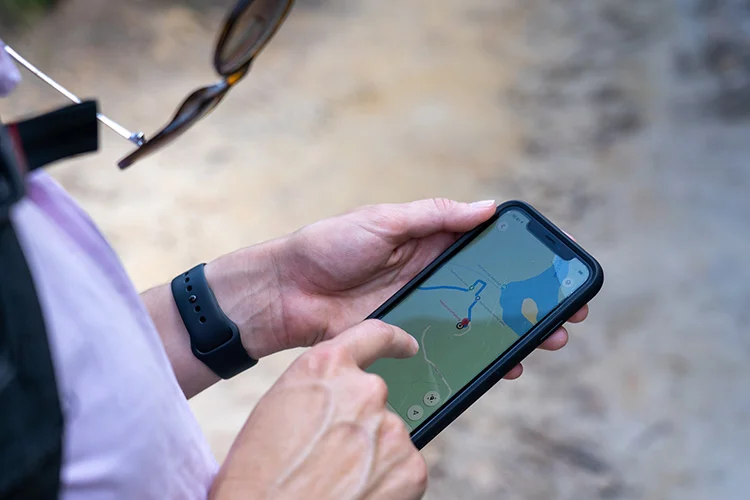
They simply open Google Maps, glance at a few options, and make a decision in less time than it takes to finish a coffee.
That’s the reality most businesses underestimate.
Google Maps advertising isn’t just another channel sitting beside SEO or paid ads. In many local markets, it is the moment of decision.
The first impression. The shortcut between search and purchase.
One philosophy we believe in:
“The best marketing doesn’t interrupt. It appears exactly when it’s needed.”
Google Maps sits right at that intersection.
And if you’re not actively using it as part of your strategy, chances are your competitors are quietly picking up customers you never even knew were looking.
Google Maps Has Become the New Homepage
Back in the days, websites used to be the starting point.
Now they’re often the confirmation step.
Think about how people behave today. They search for something local and immediately look at:
✅ Star ratings
✅ Photos
✅ Distance
✅ Open hours
✅ Quick descriptions
That’s not browsing. That’s decision-making.
Digital Monk understands this Google Maps marketing shift. Your Maps presence isn’t a listing for us. We use it as a storefront window that people judge in seconds.
| Digital Monk Insight: Most Calgary customers make a decision before visiting a website. Maps isn’t discovery anymore. It’s selection. |
This is why Calgary businesses investing in Google local advertising often see faster conversion cycles than traditional campaigns.
Google Maps Advertising vs Traditional Ads: The Real Difference
Traditional ads try to create demand.
Maps ads capture demand that already exists.
When someone searches for a local service, intent is already high. They’re not scrolling casually. They’re ready.
That’s why local Google ads connected to Maps feel different. They don’t push. They appear.
Imagine two scenarios:
👉 Someone scrolling social media sees your ad. Maybe they click, maybe they don’t.
👉 Someone searching “best café near me” sees your ad pinned on the map while standing a block away.
Very different mindset.
A Quick Reality Check
Something we hear a lot from our clients
“Our website traffic is fine. We don’t really need Maps ads.”
And that’s where the opportunity slips through the cracks.
Because Google Maps isn’t about traffic.
It’s about actions.
Calls. Directions. Walk-ins.
Numbers alone don’t tell the full story. What matters most is the intent behind each click. Based on our campaign data, here’s how different customer touchpoints perform in terms of intent and how quickly users make decisions.
| Channel | User Intent | Decision Speed |
| Social Ads | Low to medium | Slow |
| Search Ads | Medium to high | Moderate |
| Google Maps Ads | Very high | Fast |
When someone is already searching locally, you’re not convincing them to want something. You’re simply helping them choose you.
| Want to Know If Google Maps Ads Are Right for Your Business?Get a Local Visibility Review |
What Makes Google Local Advertising Actually Work
It is less about settings and more about mindset.
The businesses that perform well with Google local business ads usually do three things differently:
✅ They treat their Google Business Profile like a living asset. Photos updated. Reviews answered. Information fresh.
✅ They understand that proximity and trust work together. You might not always be the closest option, but stronger reviews and clearer messaging often tip the scale.
✅ They keep things simple. Clear categories. Clear descriptions. Clear expectations.
As British advertising legend David Ogilvy famously said:
“If it doesn’t sell, it isn’t creative.”
Maps advertising lives by that rule. Clarity beats cleverness every time.
The Small Details That Change Everything
Here’s something only experience teaches you.
Two businesses can run the same Google Maps advertising campaign and get wildly different results.
Why?
Because small details quietly influence decisions:
- Photos that look current instead of staged
- Real responses to reviews, not copy-paste replies
- Accurate service descriptions
- Consistent branding between Maps and website
These things don’t look like marketing, but they are.
People trust what feels alive.
A Common Mistake With Local Business Advertising
Some businesses treat Maps ads as a quick fix.
Turn them on, expect instant customers, and move on when results feel slower than expected.
But local visibility isn’t a sprint. It’s more like planting seeds. Ads help accelerate exposure, but reputation and consistency are what sustain results.
Ads open the door. Reputation makes people walk through it.
Without the foundation, ad spend leaks quietly.
How Google Maps Marketing Fits Into a Bigger Strategy
The smartest brands don’t isolate Maps advertising. They connect it with everything else.
For example:
- Local SEO helps your brand show up organically in the right places.
- Reviews create trust without you having to say much.
- Good website content makes people feel like you know your stuff.
- Ads step in at the moments when visibility really counts.
When these pieces align, local business advertising stops feeling scattered and starts working like a system.
And systems scale.
The Psychology Behind Why Maps Ads Convert So Well
Here’s the human side of it.
When someone searches locally, they’re usually in “decision mode.” The brain wants to simplify choices quickly.
Maps does that beautifully:
Visual cues. Social proof. Immediate distance relevance
You’re not interrupting the journey. You’re fitting into it.
That’s why even small improvements in Maps presence often create outsized results.
The Future of Local Advertising Is Already Here
It’s 2026, and search behavior keeps moving toward speed, convenience, and trust.
AI search, voice search, local discovery. Different technologies, one clear direction: people decide in seconds now.
And that means platforms that shorten the path from search to action will only grow stronger.
Google Maps isn’t a trend. It’s infrastructure now.
Conclusion: From Searches to Real Customers
At its core. Google Maps advertising isn’t really about chasing clicks or making reports look bigger. It’s more about showing up at the exact moment someone is ready to take action.
That’s why businesses that find the balance between Google Maps marketing and strong local visibility usually outshine the competitors without having to shout louder or run flashy campaigns.
The opportunity isn’t hard to find. It’s literally right there on the map.
And when local searches start turning into real customers, marketing feels a lot less complicated and a lot more natural.
| Turn Local Searches Into Real CustomersLet’s build a Google Maps strategy that helps your business show up at the right moment.Talk to Our Ads Expert |